
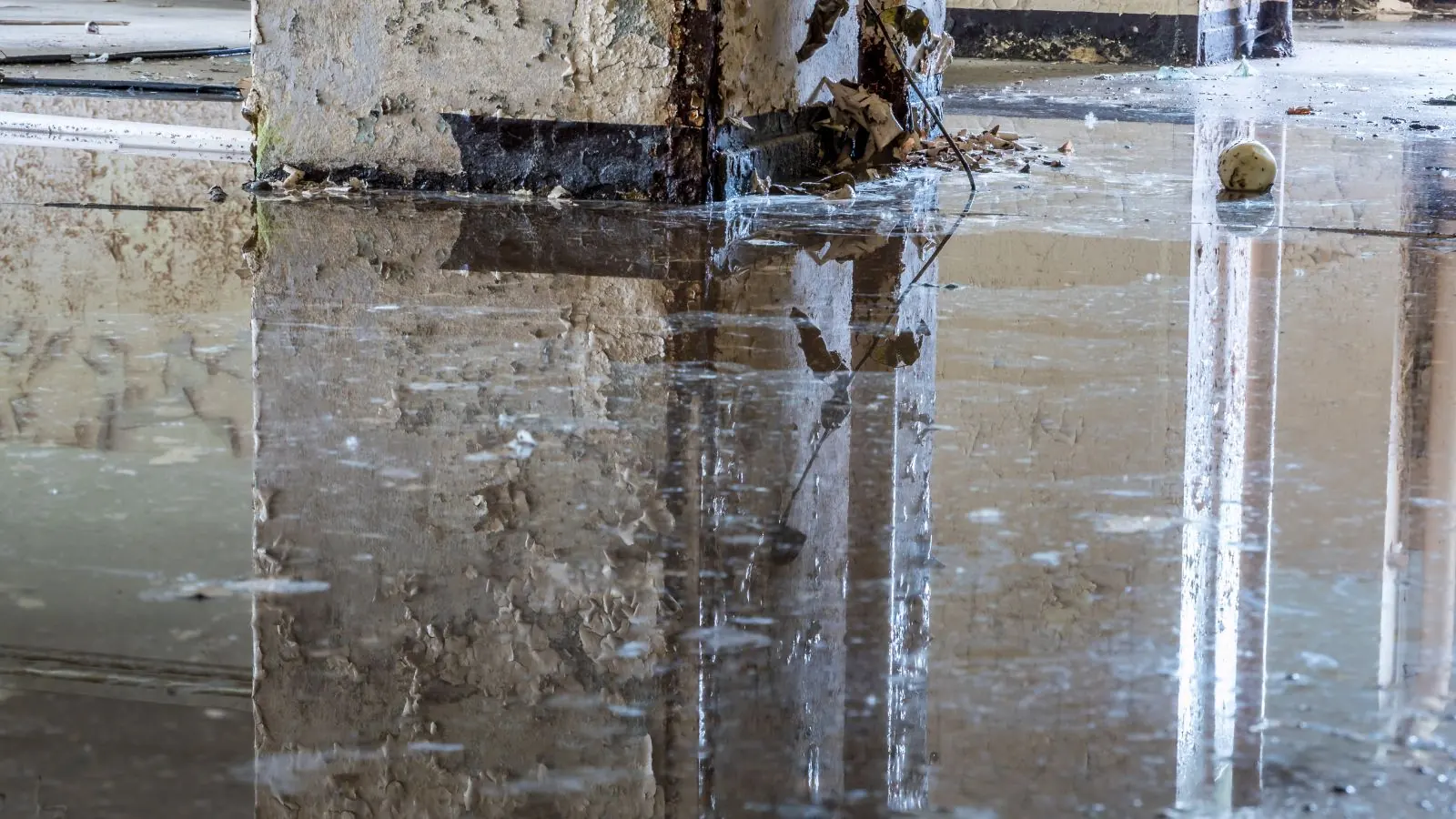
When water gets into a home, two jobs follow. The first is mitigation, which limits and reverses the damage while it is still fresh. The second is repair, which rebuilds what was lost. A mitigation company handles the first job, and understanding where it ends makes the whole process less confusing.
The first call and the site assessment
A dispatcher asks where the water came from, how deep it is, and whether electricity is a concern. At the property, the crew finds and stops the source if it is still running, then walks each affected room. They check the type of water, map the wet areas, and take moisture readings.
The water type matters. Clean supply-line water is handled differently from water that has touched a drain or the outdoors, and the assessment decides which materials can be dried and which must be removed.
Water removal and controlled demolition
Standing water comes out first, using pumps or extractors. Wet carpet pad, saturated insulation, and drywall that cannot dry in place may be removed so the structure underneath can dry. This is called controlled demolition, and it is limited to what the readings show cannot be saved.
Removing wet material early costs less than leaving it, because wet drywall and pad support mold growth. See how this plays out for water extraction and for wet carpet.
Drying and dehumidifying
Air movers push dry air across wet surfaces, and dehumidifiers pull the moisture out of the air so it cannot settle elsewhere. Equipment is placed based on the room size and the readings, and it runs for days. A crew returns to check readings and move equipment until the structure reaches its dry standard.
| Phase | What happens | What you receive |
|---|---|---|
| Assessment | Source stopped, water type and extent found | A scope and explanation before work starts |
| Removal | Standing water and unsalvageable materials taken out | A cleared, safer work area |
| Drying | Air movers and dehumidifiers run with daily checks | Moisture readings on each visit |
| Cleaning | Affected surfaces and contents cleaned as needed | A cleaned, dried space |
| Documentation | Photos, readings, and equipment logs | Records for your insurer |
Cleaning, sanitizing, and contents
Affected surfaces are cleaned, and when the water was contaminated they are treated with products suited to the job. Contents such as furniture and clothing are sorted into items that can be cleaned and items that cannot. Some items can be moved and dried off site.
Where mitigation ends and repair begins
Once the structure is dry, mitigation is done. Replacing drywall, flooring, trim, and paint is repair. Some companies do both, and others hand off to a separate contractor. Ask who handles each stage and how the scope is divided, so nothing falls between the two.
What a company should explain before work starts
You should hear what the crew found, what it recommends, what will be removed, and what equipment will run. You should hear how many days to expect and what the visits will include. If something unexpected turns up, you should hear about it before the scope changes. Good communication matters as much as good equipment.
Ask whether the company will coordinate with your insurer and what paperwork it provides. Moisture logs, photos, and equipment records help a claim move smoothly.
Red flags worth noticing
- A promise to dry everything in a single day.
- A refusal to explain scope or equipment.
- Pressure to sign an assignment of benefits or contract before you have read it.
- No moisture readings or documentation.
- A demand to remove everything without showing readings.
What you can do before the crew arrives
Shut off the water source, move small valuables out of the wet area, and take photos. Do not walk through standing water near outlets. Have a list of the rooms that got wet ready for the dispatcher. These small steps help the crew start work faster when they arrive.
Local rules that touch a Long Branch job
Work that goes beyond drying, such as replacing framing or electrical, needs permits through Long Branch Building and Development at City Hall, 344 Broadway. If a floor drain or toilet backed up, the Long Branch Sewerage Authority at 150 Joline Avenue handles the municipal sewer side. Water service in the city comes from New Jersey American Water.
A mitigation call in West Long Branch or Oceanport follows the same stages, but permit contacts differ by borough. State consumer guidance also reminds homeowners that contractors doing home improvement work must be registered in New Jersey, so ask before signing anything.
How to judge a mitigation company
- They explain scope and price before work starts.
- They take and share moisture readings.
- They document the work with photos and logs.
- They name the standard they follow, such as the S500.
- They tell you what is mitigation and what is repair.
Mitigation company questions
Is mitigation the same as restoration?
They overlap. Mitigation limits the damage by removing water and drying the structure. Restoration is a broader word that can also include rebuilding. Ask any company where its scope starts and ends.
How long does the mitigation phase last?
Water removal happens in the first day. Drying commonly takes several days, depending on materials and conditions. Readings, not the calendar, decide when it ends.
Do I need to move out during mitigation?
Sometimes. Equipment is loud and affected rooms may be unusable. If water was contaminated or the electrical system is affected, staying elsewhere may be safer.
Who do I call in Long Branch for a permit after mitigation?
Long Branch Building and Development at City Hall, 344 Broadway, handles permits for structural and system repairs under the Uniform Construction Code.