
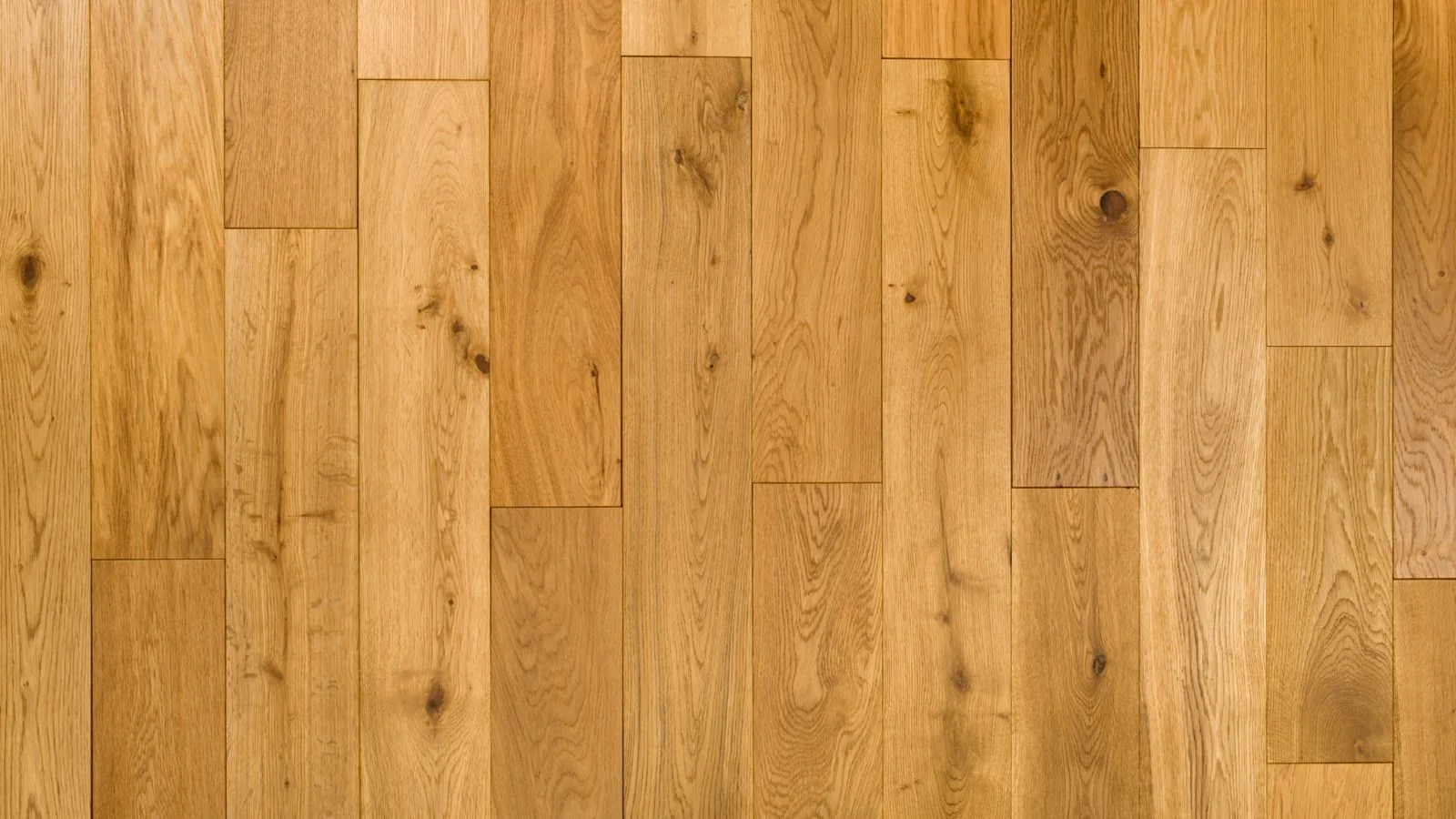
Hardwood floor water damage is moisture that makes wood swell, cup, crown, buckle, or stain, and hardwood floor water damage repair in Long Branch, NJ begins with deciding whether the floor can be dried in place. Wood is hygroscopic, which means it absorbs water through the fibers, and the damage often looks worse a few days after the leak than on day one.
Wipe standing water, lift rugs, and avoid heat or sanding while the wood is wet. Call before you refinish or replace.
What water does to wood floors
Boards swell across the grain as they absorb water. Cupping happens when the edges rise above the center. Crowning is the reverse, and buckling is a board lifting off the subfloor. Stains from water or tannins can also appear on the surface. Engineered and laminate floors swell at the seams and may delaminate.
Some floors recover once dried to a stable moisture content. Others stay distorted. A moisture meter reading across the floor and into the subfloor helps decide which.
| What you see | What it means | Likely next step |
|---|---|---|
| Edges higher than the center (cupping) | Moisture from below or along the board | Dry, then wait and re-measure before sanding |
| Center higher than the edges (crowning) | Often follows cupping after sanding too early | Allow to stabilize before refinishing |
| Boards lifting from the subfloor (buckling) | Heavy water, subfloor involved | Replacement of affected boards |
| Dark staining or black marks | Standing water, possible mold | Test and remove stained boards if needed |
Hardwood drying: the scenarios that matter
A dishwasher or ice-maker leak that ran under the floor, a pipe burst in an upstairs wall, a pet accident that went unnoticed, and a roof or window leak each wet the floor differently. Water from above wets the surface first. Water from beneath wets the boards from the underside, so cupping shows up before any stain does.
Crews may use floor drying mats, injection drying through small holes in the subfloor, or removal of a few boards to let air move through the cavity. Hardwood drying is slow, usually days to weeks, because wood releases water gradually. Rushing it with heat can crack boards, so readings guide the pace.
If the floor sits over a slab, moisture can rise from below, as described on the slab leak page. If the cause was an appliance, the appliance leak page explains the failure. Wet baseboards and walls follow the wall and drywall page, and full drying principles live under structural drying.
The sooner wood is dried, the better its odds. Call (732) 352-9660 and describe the floor and what happened.
Wood floors in Long Branch homes
Many Long Branch homes, from Elberon to West End, have hardwood or engineered wood floors in living areas and bedrooms. Humid shore summers also move wood seasonally, so it is worth measuring the floor against a dry reference before deciding that a cupped board is permanent.
If the floor needs sanding or replacement, ask the refinisher when the moisture reading will allow it. Sanding too early locks in a cup. A permit is rarely needed for floor repair alone, but check with the Building and Development office at 344 Broadway when structural work is involved.
What drives the cost of hardwood floor water damage repair
- Species and board typeSolid, engineered, and laminate respond differently.
- Area affectedA few boards cost less than a room.
- Drying methodMats and injection drying add equipment and monitoring days.
- Subfloor conditionWet or rotted subfloor adds work.
- RefinishingSanding, staining, and finishing are separate.
Sudden leaks that damage floors are often covered by homeowners insurance, while long-term seepage often is not. Read your policy, photograph the floor before any sanding, and report promptly.
Scope and price are explained before work starts. For your number, Call (732) 352-9660.
The published S500 standard for professional water damage restoration treats hardwood as a material that must be dried at a controlled pace, which is why slow drying protects the boards.
Hardwood floor questions from Long Branch homeowners
Can cupped hardwood go back to flat?
Often, if it is dried slowly to a stable moisture content and not sanded too early. Heavy cupping, buckling, or mold may need board replacement.
How long does it take to dry a wood floor?
Days to weeks depending on the species, the water, and the subfloor. Readings, not a calendar date, decide when drying is done.
Should I sand right after the leak?
No. Wait until readings are stable. Sanding a cupped floor can leave it crowned once it dries.
Is engineered wood treated the same?
Not quite. Engineered boards have layered cores that can delaminate when wet, so they are often less forgiving than solid wood.