
Floor feels dry but the room still smells damp?
A baseboard that is cool to the touch, a musty smell that stays after the mopping, a floor that cups, or paint that bubbles weeks after a leak are signs that water is still inside the building. The trade term for removing it is structural drying, and the industry word for the first-day work is water mitigation.
Structural drying and dehumidification in Long Branch, NJ is the controlled removal of moisture from materials that do not look wet. It is a planned process, not a few fans left running.
What structural drying actually is
Water that soaks into drywall, framing, subfloor, and insulation does not leave by itself. Crews set air movers to push air across wet surfaces and dehumidifiers to pull the moisture out of that air. LGR dehumidifiers, low grain refrigerant units, are used because they work at a wide range of humidity. The room is sealed so the equipment dries the building, not the neighborhood.
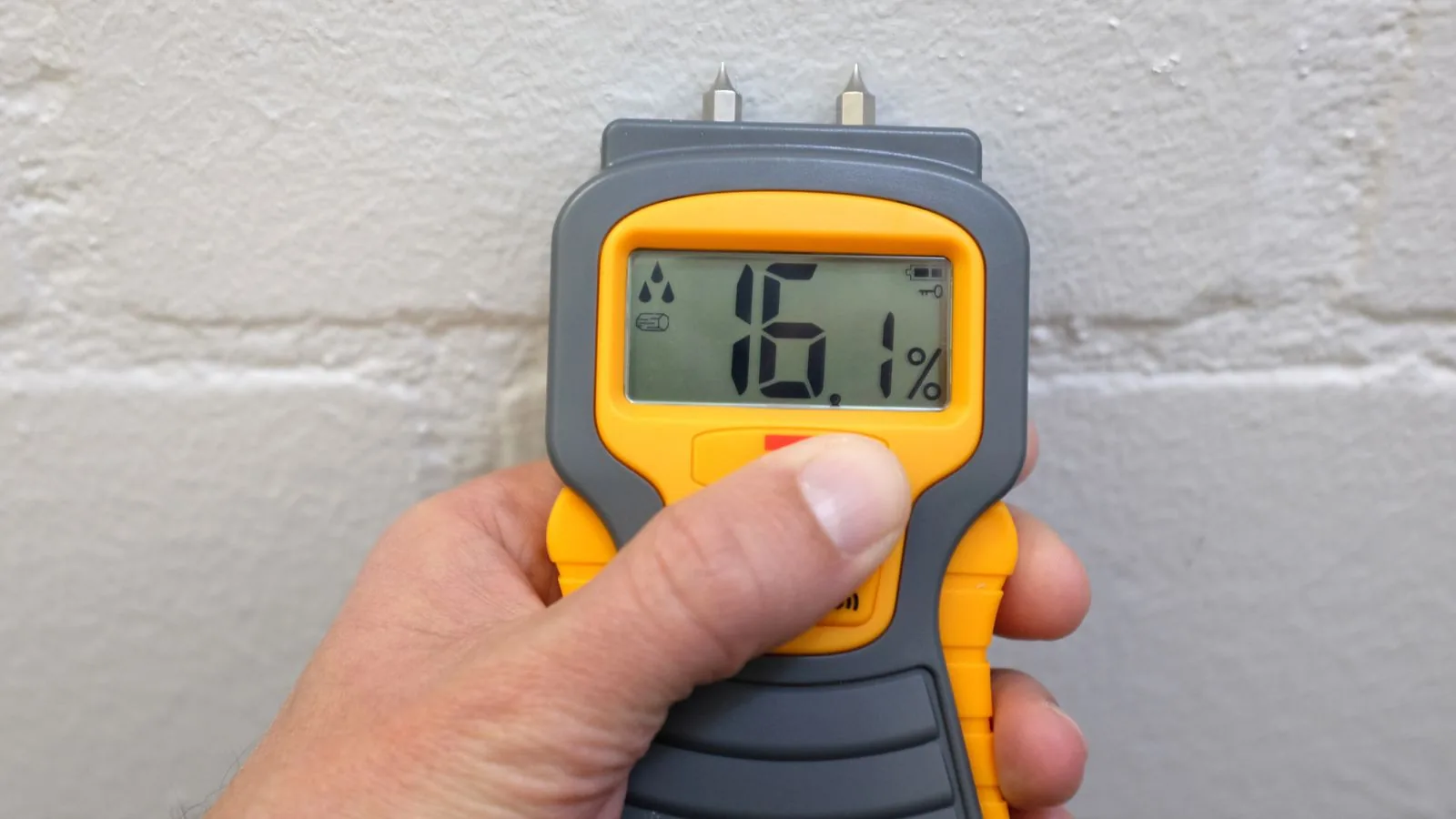
Drying is measured, not guessed. A moisture meter and a thermal imaging camera map the wet area on day one, and the same readings are taken each day to track the drying log.
| Equipment | What it does | Why it is used |
|---|---|---|
| Air movers | Move air across wet surfaces | Speed evaporation from walls and floors |
| LGR dehumidifiers | Pull moisture out of the air | Keep humidity low so materials keep releasing water |
| Moisture meters | Measure moisture inside materials | Show what is wet and when it is dry |
| Thermal imaging camera | Shows temperature patterns | Finds wet areas behind surfaces |
| HEPA air scrubbers | Filter airborne particles | Used when mold or contamination is involved |
Water mitigation: the first 24 to 72 hours
Water mitigation means stopping the loss from growing. It includes shutting off the source, water extraction, removing materials that cannot be saved, and setting drying equipment. Mold can begin in 24 to 48 hours in damp materials, so the work is time-sensitive. Mitigation ends when readings show the structure is dry, and rebuild follows.
The ANSI/IICRC S500 standard describes water categories and damage classes, and homeowners can ask any company whether its crews work to it.
How long drying takes and what slows it
Many jobs take three to five days of equipment, but time depends on what got wet. Hardwood, thick framing, and concrete dry slowly. Insulated cavities need openings so air can reach them. Humid weather near the shore makes outdoor air a poor drying partner, so a closed system with dehumidifiers is preferred to open windows.
If a wall or floor stays above its reference reading, crews adjust the setup or extend the job instead of removing equipment early. Surfaces that do not dry flat are removed, which can overlap with hardwood floor repair and wall and drywall repair. Growth that already started moves to mold remediation.
Drying that starts the same day gives wet materials a better chance. Call (732) 352-9660 to talk through your situation.
Drying a coastal home
Long Branch sits between the Atlantic and the Shrewsbury River, and summer humidity is high. Outdoor air is often as damp as the indoor air you are trying to dry, so sealing the work area and running dehumidifiers matters more than opening windows. In older homes in Elberon and West End, plaster and thick framing hold more water and dry slower.
If you are drying after a flood, remember that flood damage is often Category 3, and cleaning comes first. See flood damage cleanup for that step. Ask the crew for a copy of the daily readings, because they are also useful to your insurer.
What drives the cost of structural drying
- Wet area and materialsMore square footage and denser materials mean more equipment.
- Water categoryContaminated water requires cleaning before drying.
- Equipment daysAir movers and dehumidifiers are tracked by the day.
- Monitoring visitsDaily readings are part of the scope.
- RebuildReplacing what could not be saved is separate.
Insurers usually cover drying that follows a sudden covered loss, and they often ask for the drying log. Check your policy, keep the daily readings, and ask your adjuster what documentation they want.
Scope and price are explained before work starts. For your number, Call (732) 352-9660.
What to do before a crew arrives
- Keep doors and windows closed while equipment runs, unless the crew says otherwise.
- Leave equipment plugged in and avoid moving it.
- Remove valuables and small items from wet rooms.
- Report any smell, sparking, or tripped breaker right away.
Structural drying questions from Long Branch homeowners
How do I know when my house is dry?
Readings tell you. Crews compare moisture in wet materials to dry reference readings in the same home, and equipment stays until they match. Surface feel is not a reliable check.
Can I rent a dehumidifier and fans instead?
Restoration crews bring and monitor commercial equipment as part of the job, and we do not rent equipment on its own. Home improvement store units are smaller, are not sized for a wet structure, and have no moisture mapping.
What is the difference between water mitigation and drying?
Mitigation is the whole first stage, including shutoff, extraction, removal, and drying. Structural drying is the specific step of removing moisture from the materials left in place.
Will drying prevent mold?
It lowers the risk by removing the moisture mold needs. If growth has already started, drying alone is not enough and remediation may be needed.