
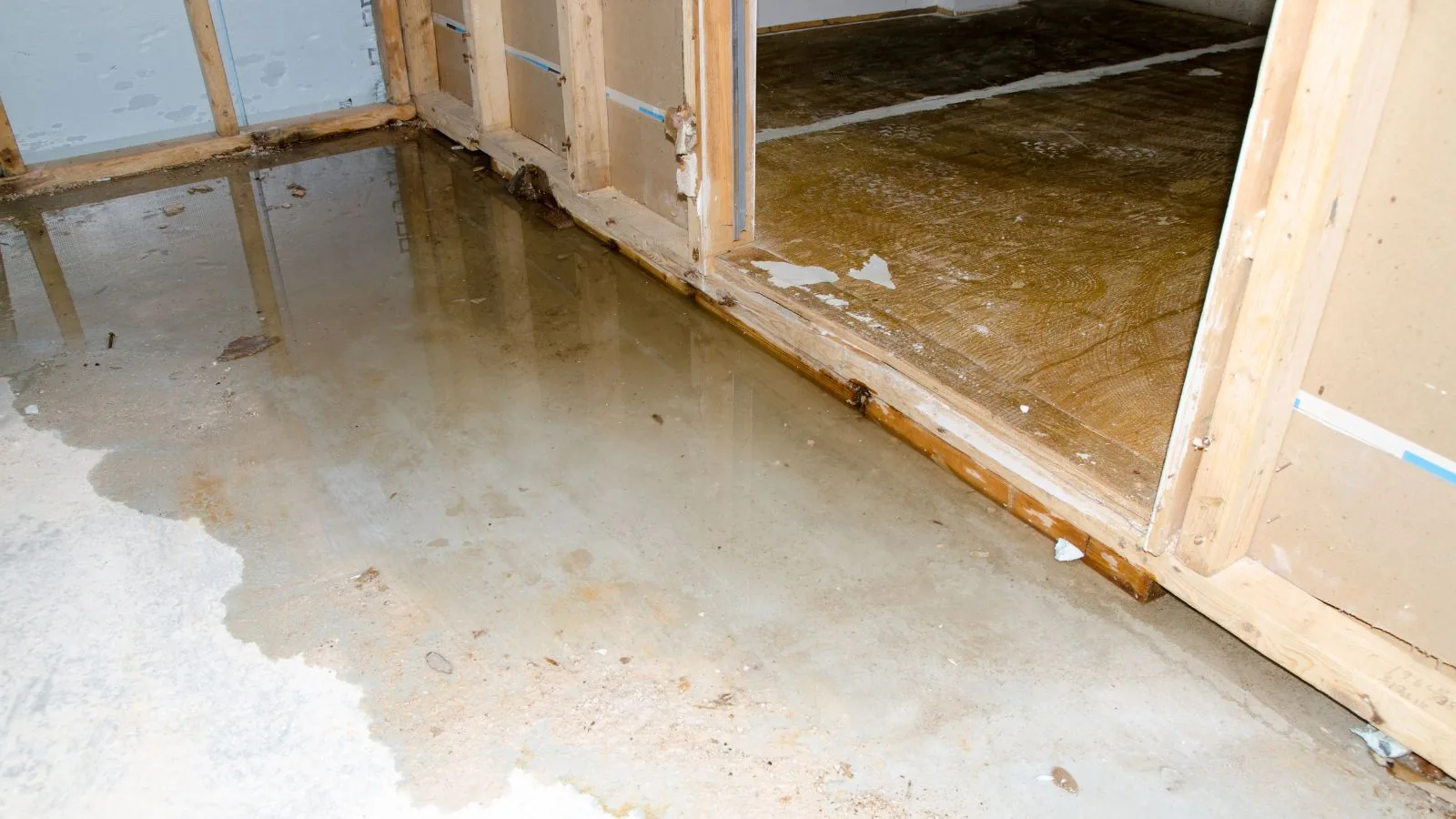
Flood damage cleanup removes water, silt, and unsalvageable materials after river, tidal, or storm flooding, and emergency flood damage cleanup in Long Branch, NJ starts with safety. The 24/7 line is open now. Stay out of moving or deep water, keep power off in flooded areas unless you can reach the panel dry, and never walk through standing floodwater that may be electrified.
Floodwater is treated as Category 3 because it carries soil, sewage, and chemicals. Call, photograph from a safe spot, and let crews with protective gear do the removal.
When flooding is an emergency
Flooding means water rose from outside and entered the building, not that a pipe failed. Tide surges, creek overflow, and drainage that backs up through floor drains all qualify. That difference matters because water extraction from a broken pipe can often be dried in place, while floodwater usually requires removing carpet, pad, and lower drywall.
If the flood followed a storm that tore a roof or broke windows, the roof and envelope damage belongs to storm water damage. Flood and storm often arrive together, and a crew can sort them out on site.
What a flood cleanup removes and what it saves
Crews pump out standing water, remove soaked carpet, pad, and insulation, and cut drywall above the waterline when readings show wicking. Hard surfaces like tile, concrete, and sealed wood can often be cleaned and dried. Porous finishes and upholstered furniture that sat in floodwater are usually discarded.
After removal, antimicrobial treatment and drying equipment finish the job. Air movers and dehumidifiers run until moisture readings in framing and subfloor return to normal for the home. If sewage was involved, the sewage backup page covers the added protocol.
| Material | After floodwater | Why |
|---|---|---|
| Carpet and pad | Usually discarded | Pad absorbs contaminated water and cannot be cleaned reliably |
| Drywall | Cut out above the waterline when wicking is found | Silt and bacteria stay in the paper and gypsum |
| Sealed hardwood and tile | Often cleaned and dried | Dense, sealed surfaces release water more readily |
| Upholstered furniture | Usually discarded | Fabric and foam trap contaminated water |
If water is still rising: before the crew arrives
Get to safety
Move to a higher floor, and leave if water is rising or evacuation is ordered. Never drive into flooded roads.
Do not touch electrical
Stay out of flooded rooms with power on. Call the utility or 911 for downed lines or sparking.
Skip the cleanup for now
Do not run household appliances or vacuum floodwater. Wait for protective gear and extraction equipment.
Document everything
Photograph high-water marks and damaged items from a safe distance before anything is moved.
Flooding in Long Branch: tides, creeks, and the Shrewsbury River
The Monmouth County hazard mitigation plan puts about 26% of Long Branch inside the special flood hazard area, and it records Hurricane Sandy flooding in North Long Branch in 2012. The plan also lists flood-prone spots at Lake Takanassee, the Elberon Trestle underpass, the Manahassett Creek and Bay Avenue area, and the City Hall area between Broadway and Morris Avenue.
After Sandy the city adopted a two-foot freeboard rule for new and subdivided properties and has looked at duckbill check valves to stop river water backing up through drains. Those steps help, but they do not remove risk for older homes. Ask the Building and Development office at 344 Broadway whether repairs after a flood trigger permit or elevation rules for your address.
Flood water at night is not something to wait on. Call (732) 352-9660 for same-day response when a crew is available.
What drives the cost of flood cleanup
- Water depth and height reachedWater that rose a foot above the floor affects walls, outlets, and wiring.
- ContaminationCategory 3 water adds protective gear, disposal, and antimicrobial steps.
- Materials removedCarpet, pad, drywall, insulation, and cabinets are removed instead of dried.
- Drying and monitoringDays of equipment and moisture checks until the structure is dry.
- RebuildReplacing walls and floors is separate and may need a permit.
Homeowners policies generally exclude flood damage, and flood coverage is a separate policy through the National Flood Insurance Program or a private insurer. Check your policy, call your insurer promptly, and photograph high-water marks before removal.
Scope and price are explained before work starts. For your number, Call (732) 352-9660.
Within the city itself, homeowners ask about flooding in North Long Branch and along Branchport Creek in Branchport.
Flood cleanup questions from Long Branch homeowners
Do you handle flood damage emergencies at night or on weekends in Long Branch?
Yes. The line answers 24/7, including during storms and tidal flooding. A dispatcher asks how deep the water is, whether it is still rising, and whether the panel is wet. Same-day response is offered when a crew is available, which can be harder during a widespread event.
Is floodwater always Category 3?
Under the S500 standard, water from outside and rising flood sources is generally treated as Category 3 because of what it carries. That is why carpet and pad are removed and why protective gear is used.
Does homeowners insurance cover flood damage?
Usually not. Flood is a separate coverage. The New Jersey Department of Banking and Insurance advises that homeowners policies exclude flood and that flood insurance is a separate product. Check your declarations page or ask your insurer.
How soon should drying start?
As soon as water is removed. Mold can begin growing within roughly 24 to 48 hours in damp materials, so moisture readings in studs and subfloor should guide the next step quickly.