
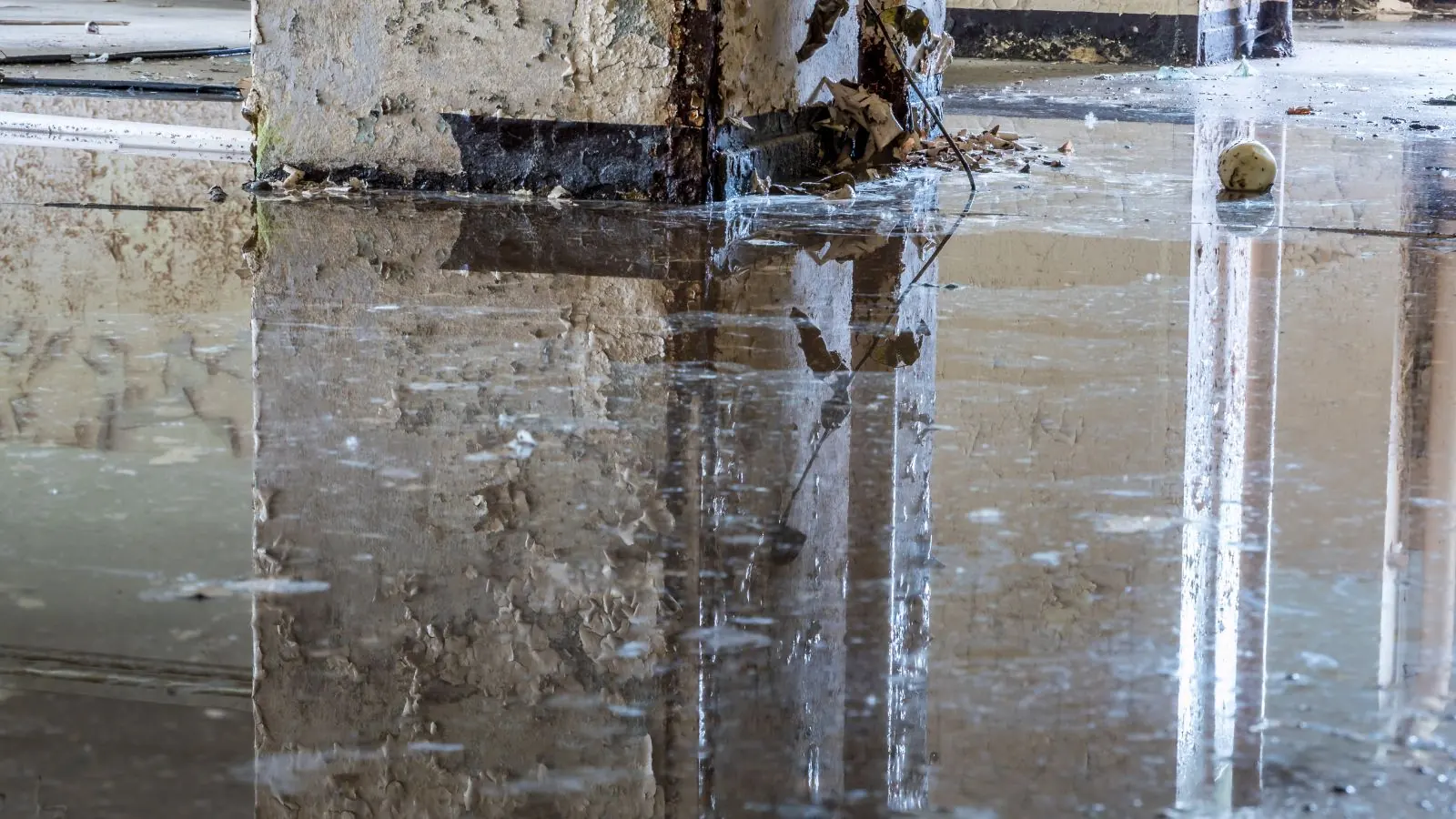
Water extraction is the removal of standing and pooled water from floors, carpet, and low spaces with pumps and extraction units, and it is the first step of any emergency water damage job in Long Branch, NJ. The emergency line is open 24/7. While you wait, stop the source if you can, shut off the main water valve, and keep children and pets out of the water.
Leave power off in wet rooms unless you can reach the panel without stepping in water. If water touches outlets, the panel, or anything gas-related, stay out and call the utility or 911 before you call the restoration line.
When standing water is an emergency
Water that has pooled for more than a few hours is already moving into subfloors, baseboards, and wall cavities. Clean water from a supply line starts as Category 1, but it can slide toward Category 2 within about 48 hours as it picks up dirt from the materials it crosses. Water that came from outside, a drain, or a toilet is treated as contaminated from the start.
That clock is why the first call matters more than any cleanup plan. A dispatcher can ask where the water came from, how deep it is, and whether the panel is wet, then send a crew that matches the job.
How extraction works on a real job
Crews start with the water you can see. Submersible pumps move depths of an inch or more, wet-dry vacuums and extraction wands pull water out of carpet and hard floors, and weighted extractors press water from padding before it is removed. A moisture meter and a thermal imaging camera then show where the water traveled under floors and behind baseboards, so work does not stop at the visible edge.
Extraction removes the bulk of the water but it does not dry the building. Once the pooling is gone, structural drying with air movers and dehumidifiers takes over, and wet carpet and pad get their own decision on the carpet water damage page.
| What is on the floor | Typical first action | Why it matters |
|---|---|---|
| Clean water under an inch on hard flooring | Wet-dry vacuum, then drying equipment | Fast removal keeps water out of seams and subfloor |
| Standing water over an inch | Submersible pump, then wand extraction | Pumps move volume, wands finish the thin film |
| Soaked carpet and pad | Weighted extraction, pad usually removed | Pad holds water long after the surface feels dry |
| Water with sewage or flood silt | Contaminated-water protocol with protective gear | Treated as sewage backup or flood damage, not a simple mop-up |
If water is still spreading: before the crew arrives
These steps cost nothing and protect the home while the line connects you to a crew.
Stop the source
Close the fixture valve or the main water valve. If you cannot find it, say so on the call and the dispatcher will walk you through it.
Cut power only if dry and safe
Switch off breakers for wet rooms only if you can reach the panel without standing in water. Otherwise leave it and call the utility.
Lift what you can
Move rugs, electronics, books, and small furniture to dry ground. Put foil or plastic under furniture legs on wet carpet.
Keep people out
Children and pets stay out of standing water, especially if it may have touched a drain, a toilet, or a floor drain.
Water on the floor at 2 a.m. is still a same-day problem. Call (732) 352-9660 and tell the dispatcher the depth, the source, and whether the panel is wet.
Extraction in Long Branch's low blocks and shoreline streets
Long Branch sits on the Atlantic and the Shrewsbury River, and the Monmouth County hazard mitigation plan puts about 26% of the city's land inside the special flood hazard area. The same plan notes flash flooding at the Elberon Trestle underpass and drainage trouble around Lake Takanassee and the Manahassett Creek area. On those blocks, a ground-floor unit or basement can fill within an hour of a hard downpour.
That is why extraction here often begins with a pump, not a mop. If you live near those spots, locate your main water valve and your breaker panel before the next storm so the crew's first minutes are not spent searching. For the beachfront side of the same problem, see our notes for Monmouth Beach, where tides cause repeated street flooding.
What drives the cost of water extraction
- Depth and square footageA few inches across one room is a smaller job than a foot of water across a finished basement.
- Water categoryClean, gray, and black water call for different gear, disposal, and protection.
- Access and obstructionsStairs, furniture, and tight utility spaces add labor.
- Materials removedPad, baseboard, and wet insulation are removed during extraction and change the scope.
- Equipment daysExtraction hours plus the drying equipment that follows.
Sudden and accidental water damage, such as a failed supply line, is often covered by a homeowners policy, while gradual leaks and neglect often are not. Flood damage is usually excluded and needs separate flood coverage. Check your policy or ask your insurer, and take photos before anything is moved.
Scope and price are explained before work starts. For your real number, Call (732) 352-9660.
The published S500 standard for professional water damage restoration sorts water into three categories by contamination, and that sorting decides what can be dried in place and what must be removed.
Water extraction questions from Long Branch homeowners
Do you handle water extraction emergencies at night or on weekends in Long Branch?
Yes. The line is open 24/7, including nights, weekends, and holidays. A dispatcher asks where the water came from, how deep it is, and whether it touches the panel, then sends a crew when one is available. Name your neighborhood on the call, whether that is Elberon, West End, North End, or Pier Village, so the job is routed correctly.
How is water extraction different from drying?
Extraction pulls out the bulk liquid with pumps and vacuums. Drying removes the moisture that soaked into wood, drywall, and subfloor, using air movers and dehumidifiers over several days. Skipping the second step is how a floor feels dry and still grows mold behind the baseboard.
Can I use a shop vacuum myself?
For a small clean spill on a hard floor, a wet-dry vacuum on a properly grounded outlet is reasonable. Do not use one near a wet panel or on water from a drain or toilet. If the water is deeper than an inch or has soaked carpet and pad, call for extraction units.
Does the carpet have to come out?
Not always. Carpet from a clean-water source that is extracted quickly can sometimes be dried in place, but the pad is usually removed. Carpet that sat in contaminated water is normally discarded. The crew checks moisture readings before deciding.