
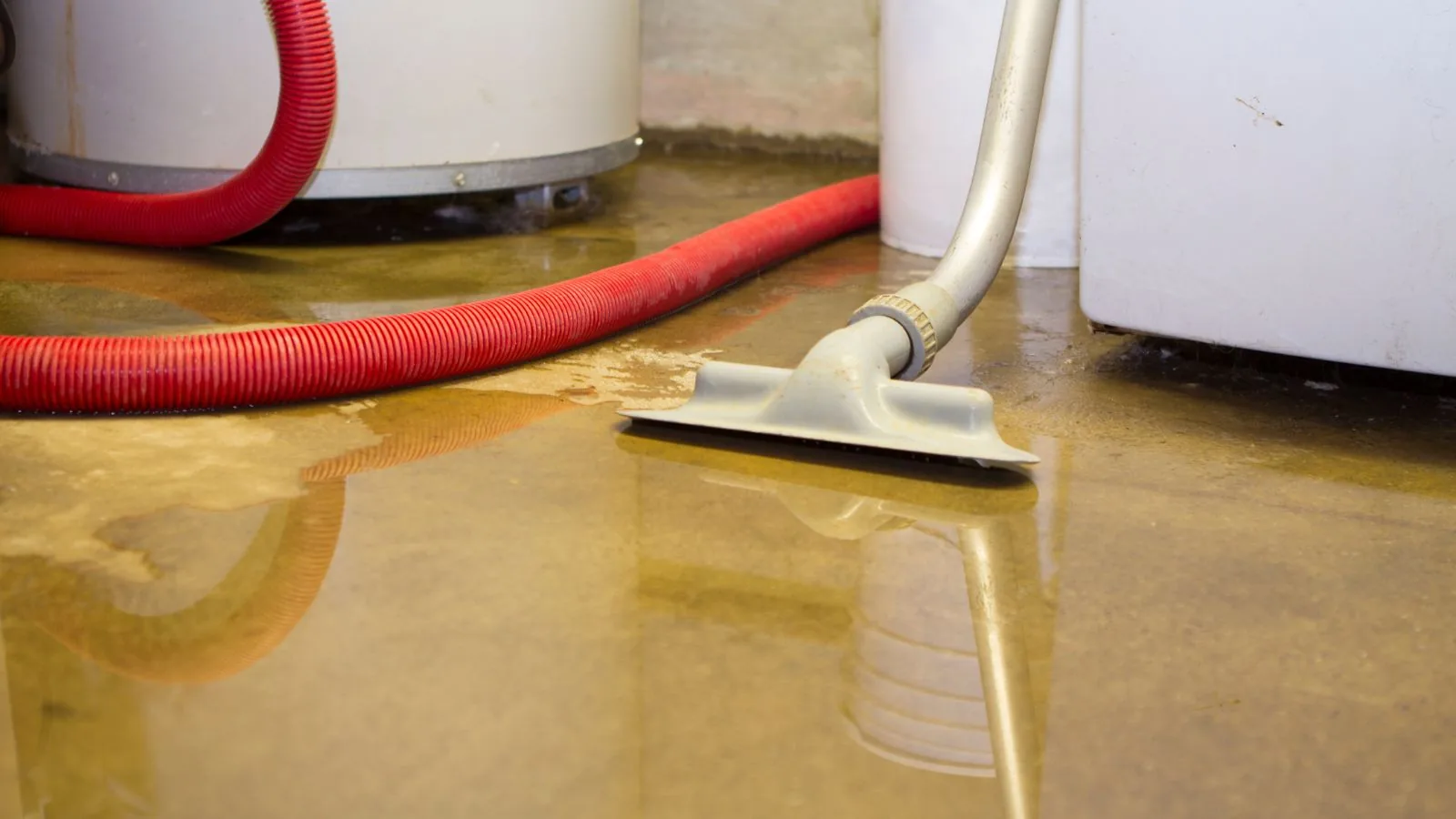
Carpet water damage is water absorbed by carpet fibers, the pad underneath, and the subfloor, and carpet water damage restoration in Long Branch, NJ starts with the source. Clean water from a supply line can often be extracted and dried, while carpet soaked by flood or sewage is usually discarded. Lift furniture off wet carpet, put foil under legs, and call.
Do not use a household vacuum on wet carpet. Keep children and pets off damp areas until the source is known.
What decides whether carpet can be saved
Three things matter most: the water category, how long it sat, and what is under the carpet. Clean water caught within a day or so has the best chance. The pad usually has to be removed even then, because it traps water against the subfloor. Gray or black water makes carpet disposable.
Carpet that is stretched and left damp can grow mold in the pad and subfloor within a couple of days. If the carpet smells or feels cold and wet, readings from a moisture meter show what is happening below the surface.
| Water source | Carpet | Pad |
|---|---|---|
| Clean supply line or appliance, caught quickly | Often dried in place | Usually removed and replaced |
| Clean water left more than a day or two | Case by case, mold risk rises | Removed |
| Flood or storm water | Usually discarded | Removed, see flood damage |
| Sewage | Discarded | Discarded, see sewage backup |
Carpet drying: wall-to-wall, area rugs, and stairs
Wall-to-wall carpet is detached at a corner, the pad is cut out and discarded, and the carpet is lifted and dried with air flowing underneath. Weighted extractors press the water out first, and drying mats or floor air movers dry the back. Once dry, the carpet is stretched back over new pad.
Area rugs are best removed and dried flat. Wool rugs and rugs with natural backing grow mold fastest if left damp. Stair carpet wets in a cascade, so water often shows at the bottom first. If the water came through a ceiling, a ceiling repair is also needed, and basement carpet often links with basement water damage.
Wet carpet does not dry safely on its own. Call (732) 352-9660 and tell us the source and how long it has been wet.
Carpet in Long Branch homes and rentals
Carpet is common in bedrooms, basements, and rental units across Long Branch. In apartments and condos near Broadway and the beach, water from an upstairs unit often reaches carpet below, so documenting both the source and the damage is important for a claim.
If you rent, report the water to the landlord in writing and ask whether the landlord's insurer is involved. Take photos before the carpet is lifted. Extraction and water extraction equipment do the first job, and structural drying finishes it.
What drives the cost of carpet water damage restoration
- Water categoryClean water may allow drying. Contaminated water means disposal.
- Area and layersCarpet and pad are priced separately from subfloor drying.
- Time wetLonger wetting increases mold risk and replacement.
- Carpet typeWool, synthetic, and area rugs have different outcomes.
- ReplacementNew pad and carpet are separate from drying.
Sudden water damage to carpet is often covered by homeowners and renters insurance, but flood damage usually needs separate coverage. Read your policy and photograph the area before removal.
Scope and price are explained before work starts. For your number, Call (732) 352-9660.
The published S500 standard for professional water damage restoration separates carpet that can be cleaned and dried after clean water from carpet and pad that should be removed after contaminated water.
Carpet water damage questions from Long Branch homeowners
Can carpet be saved after a pipe leak?
Sometimes, if the water was clean and extracted quickly. The pad is usually replaced. Carpet that stayed wet for days has a higher chance of needing replacement.
Why does the pad have to be removed?
Pad is a sponge. It holds water against the subfloor and cannot be dried reliably in place.
Will the carpet smell after drying?
A damp smell afterward can mean moisture remains in the pad or subfloor. Ask for readings before the carpet is reinstalled.
Is rental insurance helpful for carpet?
Renters insurance often covers your belongings but not the building's carpet. The landlord's insurance usually covers the building, so ask both.