
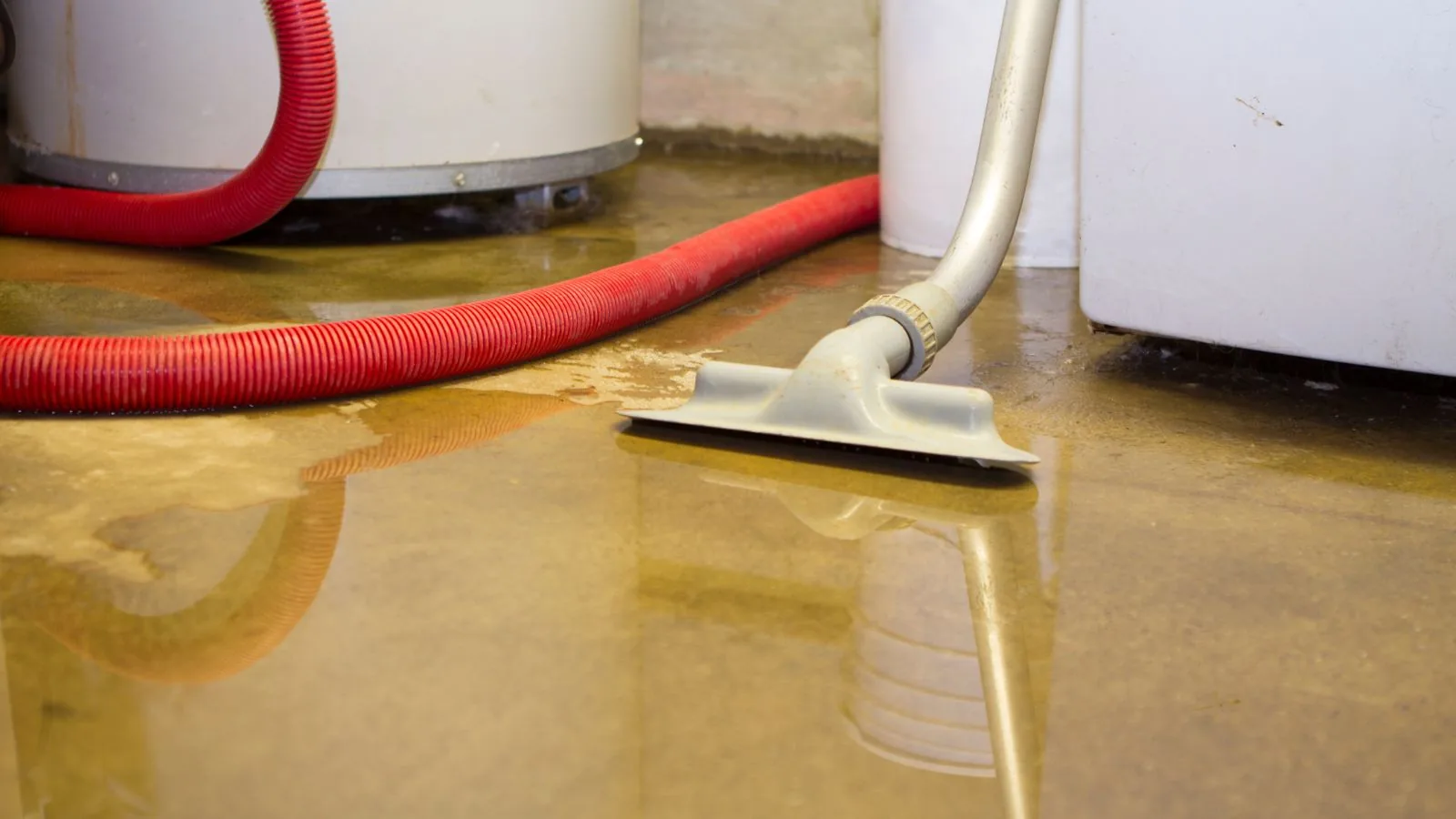
Soft furniture holds water like a sponge. A mattress core, sofa cushions, and upholstered frames take on liquid fast and release it slowly, and that slow release is when mold and odor set in. The decision to save or toss rests on three questions.
The three questions that decide it
- What kind of water was it? Clean supply water gives you options. Sewage or flood water does not.
- How long was it wet? Within a day or two, drying may work. After that, the risk of mold rises.
- What is it made of? Foam and padding hold water more deeply than a wood frame or leather.
The EPA advises that porous materials that stay wet for more than a day or two are likely to grow mold and may need to be discarded.
Mattresses
A mattress that got a small splash of clean water can often be saved. Blot with towels, press out moisture, and dry it on its side with fans and a dehumidifier, ideally in a dry room. A mattress soaked through, or one that touched sewage or flood water, is usually not worth saving. The inner layers are hard to dry and hard to clean.
Do not use a hair dryer or heater at high heat, which can damage foam. Flip the mattress and check both sides, and put it back only when it is dry all the way through and smells neutral.
Sofas and upholstered chairs
Remove cushions and stand them on edge. Blot upholstery and run fans and a dehumidifier. Wood or metal frames dry well. Foam cushions can be difficult, and if they stay damp, they can hold odors. Leather needs gentle drying away from direct heat, which cracks it.
| Item | Clean water, caught fast | Contaminated water or long wait |
|---|---|---|
| Mattress | Often can dry in place | Usually discard |
| Box spring | Often can dry | Usually discard |
| Sofa cushions | Dry on edge, may save | Usually discard foam |
| Wood or metal frame | Clean and dry | Clean with care or discard if porous |
| Leather | Dry slowly, away from heat | Professional cleaning or discard |
Document before you discard
Photograph the item, the tag or label, and the water source. Note the brand, model, and approximate age. If you plan to file a claim, ask your insurer whether it wants to see the item or a sample before disposal. Keep receipts if you have them. Our notes on wet carpet cover a similar process for floor coverings.
Drying steps for items worth saving
- Move the item to a dry, ventilated room, off the wet floor.
- Blot with clean towels, pressing rather than rubbing.
- Aim fans across the surface and run a dehumidifier in the room.
- Turn or stand the item up so both sides dry.
- Check for odor after a few days. A lingering musty smell means water remains inside.
Baking soda sprinkled on a dry surface and vacuumed off can help with odor after drying. It is not a substitute for drying, which is the part that prevents mold.
Protecting children and sleepers
Do not put a mattress back into use until it is fully dry and smells neutral. Sleeping on a damp mattress can irritate airways and raise the risk of mold. If a child's mattress was soaked, replacement is usually the simpler choice.
Replacement tips if you must toss it
Before discarding, take photos and keep the tag. Dry the floor and the wall behind the furniture first so a new piece does not sit on a damp surface. When you shop, ask about return policies, and avoid placing new bedding on a floor that is still being dried.
Disposal and reporting in Long Branch
Before you drag a soaked mattress to the curb, ask the city's public works office about its bulk item pickup rules, since many municipalities have limits on soaked or oversized items. If the water came from a sewer backup, the Long Branch Sewerage Authority at 150 Joline Avenue is the contact for the municipal side.
Drying and cleanup of the room around the furniture is a separate job. A crew can dry the floor and walls while you decide on the furniture, and homeowners near the shore, including in Monmouth Beach and Oceanport, often need the room dried first because shore humidity slows drying.
When to call for help
If the item was soaked by more than a small spill, the floor beneath it is probably wet too. Water moves under furniture and into the subfloor. Call for water extraction and have the crew check readings in the floor and walls before the furniture goes back.
Wet mattress and sofa questions
Can a soaked mattress be saved?
Sometimes, if the water was clean and it was dried within a day or so. If it was soaked through or touched sewage or flood water, replacement is the safer choice.
How long can a sofa stay wet before mold grows?
The EPA says mold can start in 24 to 48 hours on wet porous materials, so dry the sofa fast or plan to replace it.
Does insurance cover a wet mattress or sofa?
If the water loss is covered, contents damage may be too, subject to your deductible and limits. Document the items and ask your insurer what it needs.
Can I just let it dry in the sun?
Sun and air help for small spills on sturdy items, but thick foam and padding stay wet inside. Fans and a dehumidifier are more reliable.