
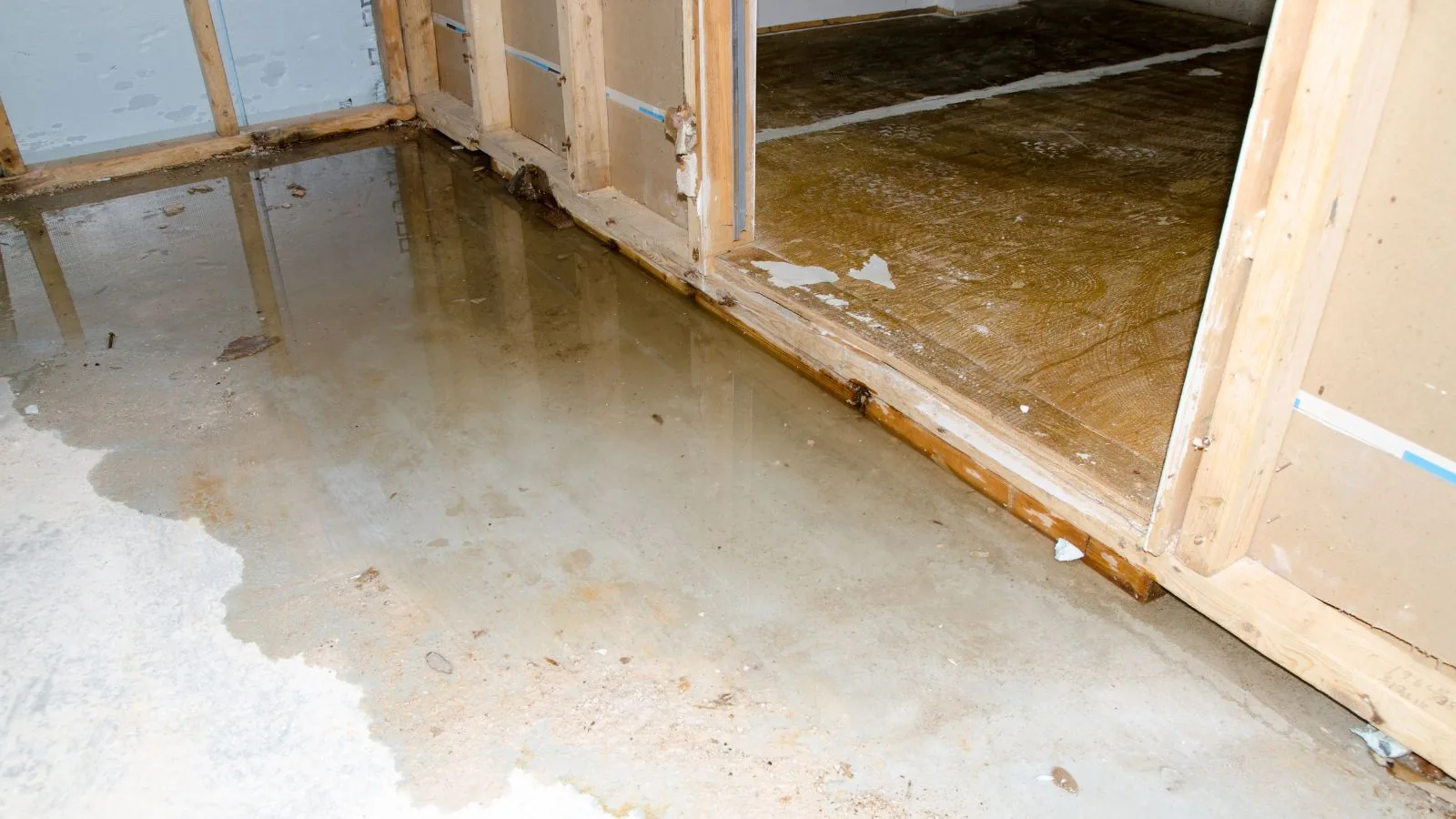
In plain terms, mitigation means to make less severe. In a home, water mitigation is the work done to reduce the damage a water loss causes, by stopping the source, removing water, and drying materials before they are ruined. The goal is to keep a bad day from becoming an expensive one.
Mitigation, restoration, and remediation
These three words get mixed up. Mitigation is the early work that limits damage. Restoration is the wider job of bringing a property back to its prior condition, which can include repairs. Remediation usually refers to removing or treating a hazard such as mold or contaminated material.
Insurance paperwork uses mitigation in a specific way. Most policies expect the owner to take reasonable steps to prevent further damage, and that duty is often called mitigating the loss. A professional mitigation crew meets that duty in an organized, documented way.
| Term | Core meaning | Typical examples |
|---|---|---|
| Mitigation | Limit and reverse damage fast | Stopping the leak, extraction, drying |
| Restoration | Return the property to its prior condition | Replacing drywall, flooring, paint |
| Remediation | Remove or treat a hazard | Mold removal, contaminated material removal |
What mitigation looks like step by step
- Stop the water source or confirm it has stopped.
- Remove standing water with pumps or extractors.
- Take out materials that cannot be dried, such as soaked pad.
- Set air movers and dehumidifiers and monitor moisture readings.
- Clean affected surfaces and sort contents.
- Record results for the file and confirm the structure is dry.
That sequence matches the approach laid out in the published S500 standard for professional water damage restoration. For more detail on drying, see structural drying and dehumidification.
Why speed is part of the meaning
Water moves. It wicks up drywall, soaks under flooring, and travels along framing. Materials that stay wet for long can swell, warp, and grow mold. Mitigation is time-sensitive, which is why a 24/7 line matters more here than for most home services.
Starting extraction the same day, when a crew is available, usually means more of the structure can be saved. That is the practical reason mitigation is described as the first and most important stage.
How to use the word when talking to a company or insurer
When you call, say what you need in plain terms: water removal, drying, and documentation. Ask whether the company does mitigation only or also repair. Ask what standard it follows, and ask for moisture readings and photos to be shared as the job proceeds. The same word means different things to different people, so confirm the scope in writing.
With your insurer, use the word mitigation to describe emergency steps you took to limit the loss. Keep receipts for those steps and tell the adjuster what you did and when.
Common misunderstandings
- Mitigation does not mean repair.
- It does not mean the problem is solved once the water is gone.
- It does not require tearing out everything that got wet.
- It is not the same as hazard mitigation planning by a city or county.
A short example
A washing machine hose fails on a Saturday night. The owner closes the valve, and a crew arrives to extract water, pull the wet pad, and set drying equipment. Those steps are mitigation. Replacing the pad, repainting the baseboards, and installing new carpet a week later is repair. Keeping the two separate makes bills, schedules, and insurance paperwork easier to follow.
What to do in the first minutes
- Stop the water source if it is safe to do so.
- Stay out of rooms where water is near electricity.
- Photograph the damage and call for water removal.
Why the term matters in Long Branch
Long Branch has a long flood record. Hurricane Sandy in 2012 flooded North Long Branch from both the Atlantic and the Shrewsbury River, and the county plan identifies places such as the Elberon trestle and the Manahassett Creek Park area for repeated flooding. In a city like this, quickly limiting water damage is a recurring need, not an unusual one.
The word also shows up in local government. Hazard mitigation, in the county plan, means long-term steps like check valves on outfalls, raised buildings, and freeboard rules, which is a different use from the emergency kind in this post. Neighbors in Monmouth Beach and West Long Branch see both uses of the term.
What mitigation does not include
Mitigation does not rebuild a kitchen, repaint a ceiling, or replace carpet, though those jobs follow. It also does not fix the plumbing that caused the leak, which usually needs a plumber. If your loss involves mold, that is a separate process covered under mold remediation.
Knowing the difference helps you read estimates. A mitigation estimate should list water removal, equipment, and monitoring. A repair estimate should list materials and rebuild labor. Keep them separate on paper.
Water mitigation questions
What does mitigation mean in water damage?
It means reducing and containing water damage by stopping the source, removing water, and drying the structure before the damage spreads or mold begins.
Is mitigation covered by insurance?
Often, when the loss itself is covered. Most policies also require you to take reasonable steps to prevent more damage. Check your policy and keep receipts for emergency work.
What is the difference between mitigation and repair?
Mitigation stops and reverses damage. Repair rebuilds what was lost, such as drywall, flooring, and paint.
Does hazard mitigation in Long Branch mean the same thing?
Not quite. County and city hazard mitigation means long-term steps that reduce future flood risk, such as raised buildings and check valves. Emergency water mitigation is the immediate cleanup.