
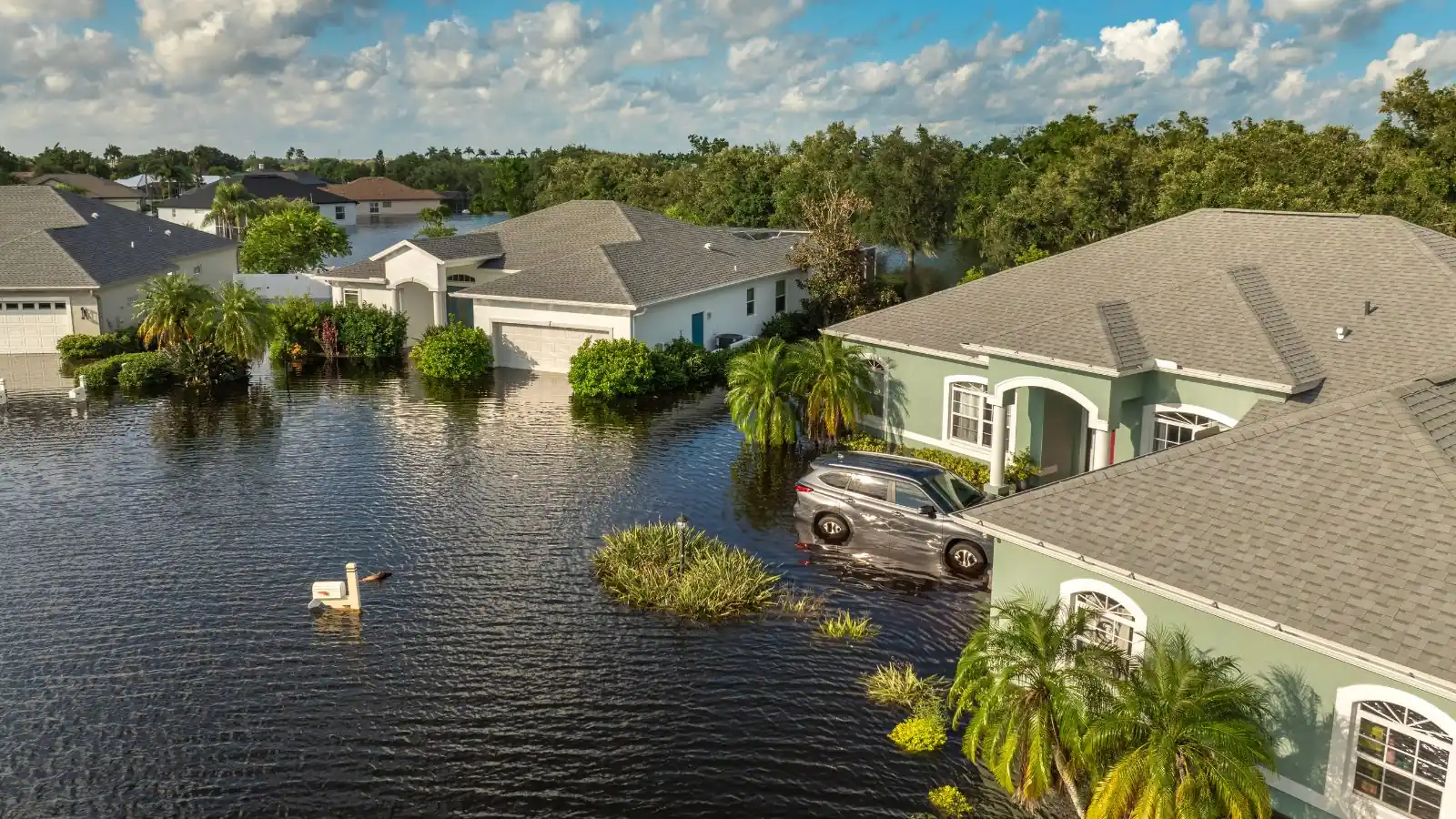
There is no single answer, because water damage ranges from a small appliance leak to a house with a flooded first floor. What matters is what the water touched and how far it spread. Check these four things before you decide to sleep in a wet house.
Electricity and gas come first
Water and electricity do not mix, and a wet panel, outlet, or appliance can energize standing water. If water reached outlets, the panel, or wiring, do not walk through it. Have the power to the affected area shut off by a qualified electrician or the utility before anyone goes in.
If you smell gas, hear buzzing, or see sparking, leave the house and call 911 from outside. Do not use switches, flames, or appliances on the way out.
What kind of water is it?
Clean water from a split supply line is the lowest risk. Water from a washing machine or dishwasher drain carries more contamination. Sewage, river water, and storm water are the highest risk because of what they carry. Industry guidance sorts water into three categories for this reason, and the category changes what is safe to touch, keep, or live around.
| Water source | Risk level | Stay or leave |
|---|---|---|
| Supply line or water heater | Lower, but still wet and slippery | Often fine in dry rooms once power is safe |
| Washer or dishwasher discharge | Moderate | Keep out of the wet area until cleaned |
| Sewage backup | High | Leave the affected area and keep children and pets away |
| River, creek, or storm surge | High | Do not stay until the area is cleaned and dried |
Structure and air
Look for a sagging ceiling, bulging walls, or a floor that gives underfoot. Wet drywall can fail suddenly, and a wet ceiling can come down. If you see any of these, keep out of that room and call for help.
Air matters too. A musty smell, visible mold, or a house full of dust from demolition can irritate eyes, noses, and lungs. People with asthma, allergies, or weakened immune systems, along with infants and older adults, should leave if the air is bothering them. The EPA advises that mold growth can start within a day or two on materials that stay wet.
A simple decision guide
- Stay only if the power in occupied rooms is safe, the water is clean, the structure is solid, and the air is comfortable.
- Move to a dry room or a short stay elsewhere if one bedroom, bath, and the kitchen still work.
- Leave if sewage, flood water, wet electrical, or structural damage is present.
If you are unsure, take the cautious option for a night and let a crew assess. A clear scope from water extraction and structural drying will tell you how long rooms will be out of use.
Special cases that change the answer
Homes with older wiring, aluminum branch circuits, or knob-and-tube systems need extra care after water, because moisture can stress old connections. Homes with oil heat should have the burner and tank inspected if basement water reached them. Anyone who uses medical equipment that relies on power should plan a backup before water or outages occur.
If someone in the house has a respiratory condition, treat airborne dust and damp odors seriously and consider staying elsewhere while demolition and drying take place.
Planning a short stay elsewhere
If you decide to leave, pack medications, identification, chargers, and records you will need for a claim. Tell your insurer where you are staying, and keep receipts. Ask the crew how long the affected rooms are likely to be out of use, so you can plan a stay of the right length.
Where Long Branch residents can find help and information
In an evacuation or flood, the City of Long Branch and Monmouth County are the sources of official notices. The county hazard plan notes that Sandy in 2012 flooded North Long Branch from both the ocean and the Shrewsbury River, and that flood-prone spots include the Elberon trestle and the Manahassett Creek Park area near Bay Avenue. Residents near those places should leave early if officials advise it.
If a building is declared unsafe, the Long Branch Building and Development office at City Hall, 344 Broadway, is the contact for the structure. Neighbors in Oceanport and Monmouth Beach should check their own borough halls. Damage that displaces you may also affect your insurance, so ask your insurer about additional living expense coverage, which generally applies only after a covered loss.
Protect your health while you decide
Wear sturdy shoes and gloves if you must enter a wet room. Open windows when the weather allows. Keep children and pets out of the wet area. Do not run a standard vacuum on wet floors, and do not mix cleaning products.
Staying home after water damage
Can I stay in my house after a pipe burst?
Often yes, once the water is off and electricity is safe. Clean supply water is lower risk, but wet drywall and flooring still need to be dried to prevent mold.
Is it safe to stay after a sewage backup?
Generally no in the affected area. Sewage carries germs and should be cleaned by trained crews. Keep children, pets, and anyone with health concerns away.
How long before mold becomes a risk?
The EPA says mold can begin growing in 24 to 48 hours on materials that stay wet, which is why fast drying matters.
Does insurance pay for a hotel if I cannot stay?
Some policies include additional living expense after a covered loss. Ask your insurer before booking and keep all receipts.