
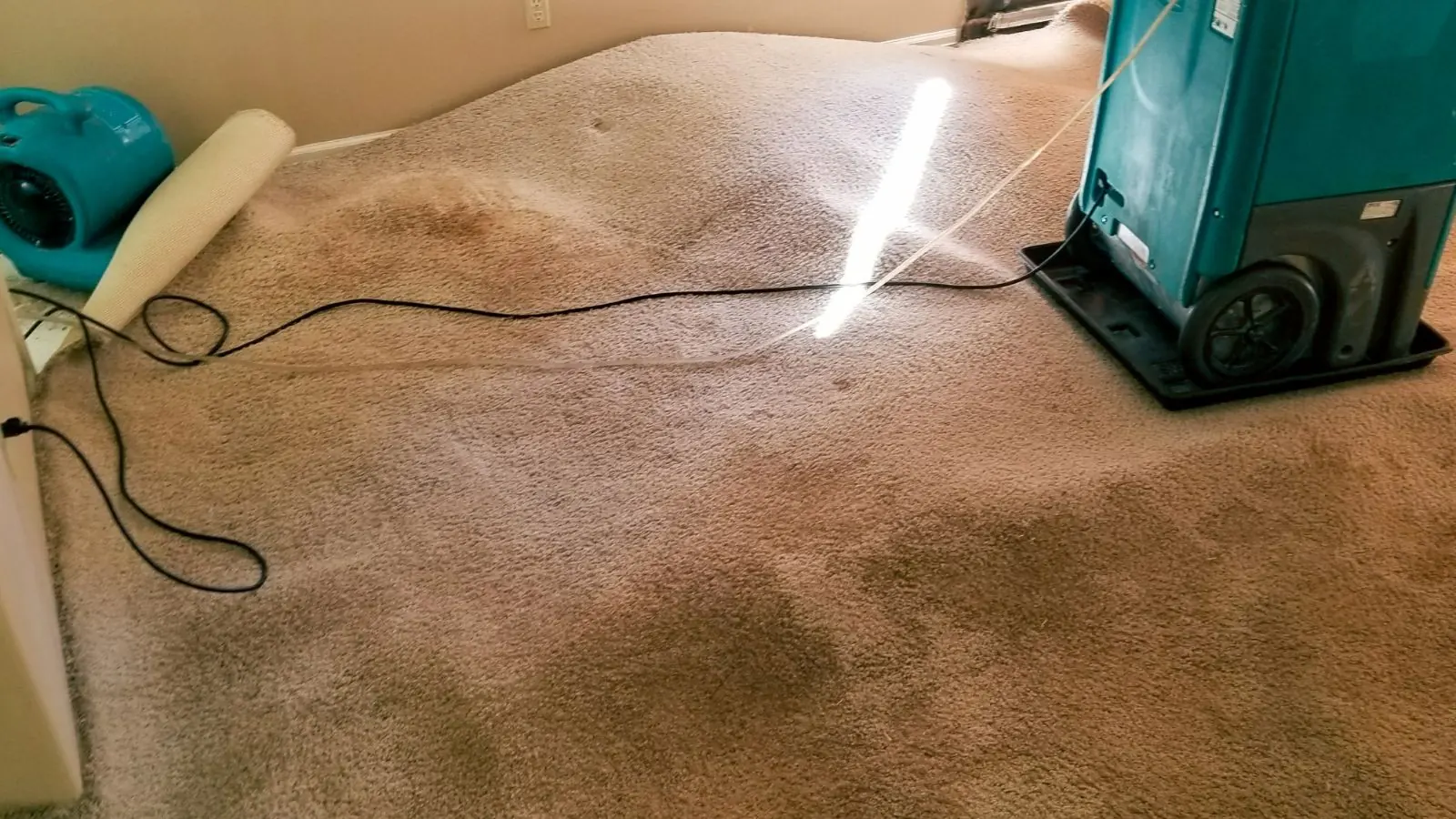
Search results for this question show wide ranges, and the honest reason is that no two water losses are alike. A leak under a sink and a flooded basement can both be called water damage, yet they involve different amounts of water, different materials, and different amounts of work. This guide explains the factors, not a price.
The main cost factors
| Factor | Why it changes the cost | What to ask |
|---|---|---|
| Water category | Contaminated water needs more removal and cleaning | What category is this, and how do you know? |
| Affected area | More square footage means more equipment and labor | How many rooms and how many feet? |
| Materials involved | Hardwood and plaster dry slowly, drywall and pad are often removed | What will be removed and what will be dried? |
| Time since the loss | Older water has soaked deeper and may carry mold | Does the scope change if work starts later? |
| Equipment and days | Air movers and dehumidifiers run for several days | How many pieces and how many visits? |
| Access and hazards | Tight crawl spaces or asbestos-era materials add steps | Any hazards that change the plan? |
Mitigation costs versus repair costs
Estimates mix two types of work. Mitigation covers water removal, drying, and monitoring. Repair covers rebuilding what was lost, such as drywall, flooring, cabinets, and paint. Mitigation tends to be the smaller portion and is time-sensitive. Repair costs depend on finishes and how much material was lost.
Ask for the two portions separately. A bundled number hides what you are paying for.
What a good estimate looks like
- It lists rooms, materials, and the scope of work in plain language.
- It separates mitigation from repair.
- It explains the equipment and how long it will run.
- It states what happens if hidden damage is found.
- It does not pressure you to sign on the spot.
The published S500 standard is a common reference for how a professional should approach drying, and a good company can explain how its plan follows it. See what structural drying involves, and the steps in water extraction, to understand the line items.
Insurance and cost
If the loss is covered, the insurer may pay the reasonable cost of mitigation and repair after your deductible. The New Jersey Department of Banking and Insurance advises policyholders to report a claim promptly and keep records. Flood damage is excluded from standard homeowners policies, so a flooded basement may be your cost unless you carry a flood policy.
Why cost surprises happen
Most surprises come from scope changes. A crew opens a wall and finds wet insulation, or removes carpet and finds a wet subfloor. This is not always a sign of a bad estimate. Water hides, and the first scope is based on what can be seen and measured. A good company explains this up front and tells you how changes will be handled.
Another source of surprise is mixing mitigation and repair. If you expect one number and receive two, ask for each to be explained. Mitigation protects the structure now, and repair restores finishes after drying.
Ways to keep the total down
- Stop the water and call quickly, since a smaller wet area costs less to dry.
- Move belongings out of wet rooms to protect them.
- Photograph everything for your insurer before work starts.
- Ask what can be dried in place instead of removed.
- Get the scope in writing and keep a copy.
Local cost factors in Long Branch
Long Branch homes range from shore cottages to larger oceanfront properties and older multifamily buildings. That mix means different materials, access, and permit needs. Work beyond drying, such as replacing framing, wiring, or plumbing, needs permits from Long Branch Building and Development at City Hall, 344 Broadway, which can add steps and time.
Coastal homes often have finished basements that sit near the water table, which can lengthen drying. Neighbors in West Long Branch and Monmouth Beach see similar conditions. New Jersey Consumer Affairs also advises checking that a home improvement contractor is registered and getting a written contract for larger jobs.
How to compare estimates fairly
Ask each company for a written scope, then lay the scopes side by side. A much lower number may leave out drying time, monitoring, or removal of wet materials. A much higher number may include rebuilding you do not need yet. When the scopes match, price becomes a fair comparison.
Cost questions
Why won't a company quote a price over the phone?
Because the scope depends on what is wet, the water type, and the materials. A phone call can explain the process, but a fair number needs someone to see the damage.
Is water damage restoration covered by insurance?
Sudden and accidental losses such as a burst pipe are often covered after the deductible. Flood and gradual damage are typically excluded, so check your policy.
What is the cheapest way to handle water damage?
Acting fast. Early extraction and drying limit the amount of material that must be removed and replaced, which tends to keep the total lower.
Should I get more than one estimate in Long Branch?
For a large loss, yes, as long as each estimate lists the same scope. For an active leak, do not wait. Stop the water and start drying while you compare.