
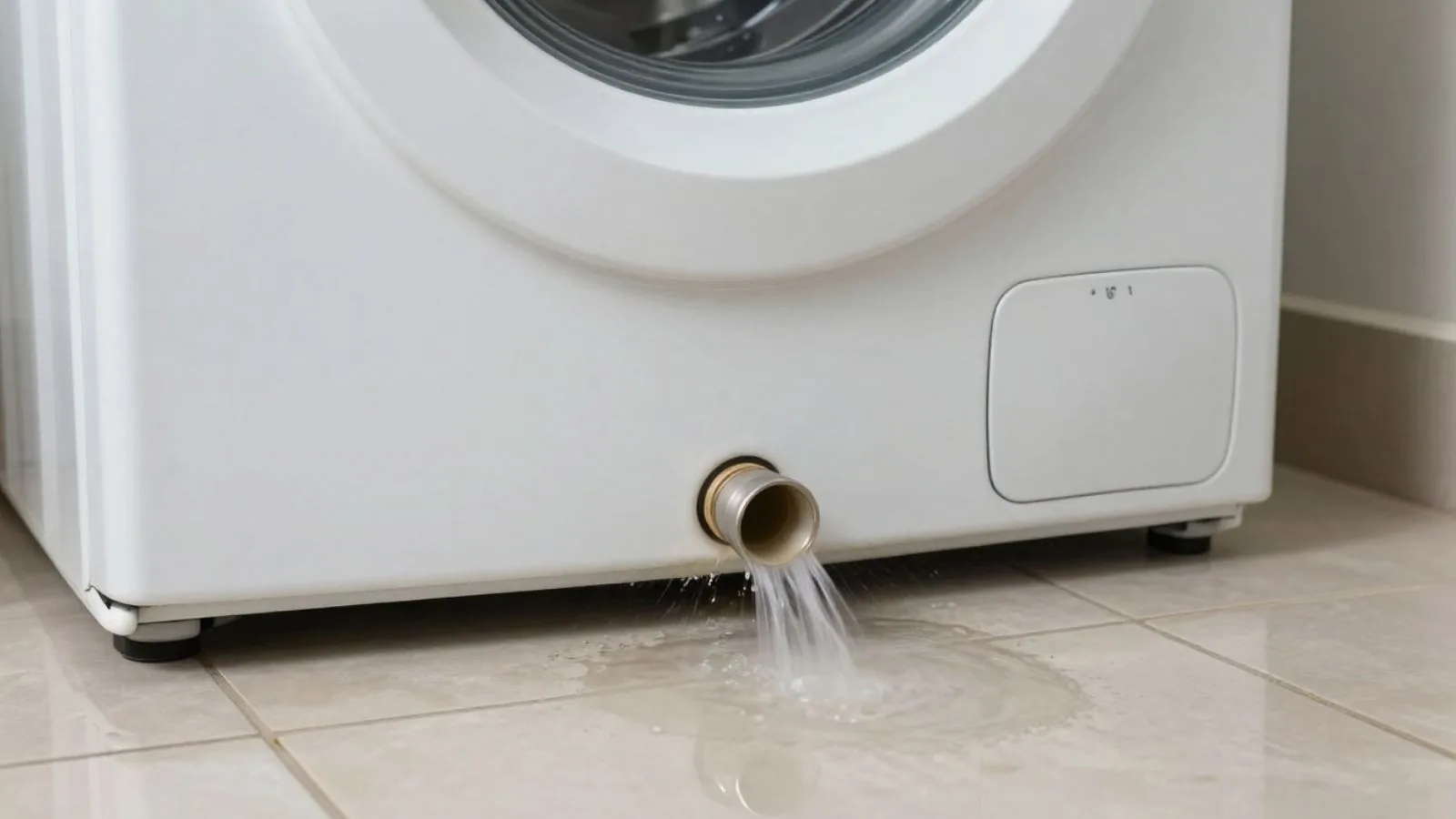
A small leak feels like a small problem, so many owners wonder whether a claim is worth the trouble. There is no universal rule. The decision depends on your deductible, how large the damage really is, and how your insurer treats claims on your record. This guide gives you the questions to ask.
Compare the damage to the deductible
If the repair costs less than your deductible, a claim pays nothing. If it costs more, the insurer pays the difference, subject to policy terms. The tricky part is knowing the true cost. A visible stain can be the tip of a wet wall, so get the damage assessed before you decide.
Ask for readings. A moisture check can show whether the water is limited to the surface or has spread into insulation and framing.
Consider what a claim may do
Claims can appear in claims-history reports that insurers use when you renew or switch coverage. Policies and practices differ, so ask your agent in general terms how claims affect your premium. Some owners call to ask a question, then decide not to file. Others file because hidden damage is likely. Both are reasonable.
The New Jersey Department of Banking and Insurance advises reporting claims promptly, so do not sit on a decision for weeks if damage may be growing. Your policy may have deadlines for notice.
| Situation | Leans toward filing | Leans toward paying yourself |
|---|---|---|
| Cost near or above the deductible | Yes, if the loss is covered | No |
| Damage limited to a small surface, cost well below the deductible | No | Yes |
| Source unknown or recurring | Yes, hidden damage is likely | No |
| Possible mold or structural impact | Yes, document early | No |
| Loss is clearly excluded, such as flood | A claim will not pay | Yes |
Protect your options either way
- Stop the leak and photograph the damage before cleanup.
- Keep receipts for emergency drying and repairs.
- Get a written scope and moisture readings so you can decide later.
- Write down the date you noticed the problem.
- Do not discard damaged materials until you know whether you will file.
Drying quickly keeps a small leak small. A crew doing water extraction and structural drying can document the extent so you decide with real numbers.
Things small leaks often hide
A stain on a ceiling can mean water has run along joists and pooled somewhere else. A damp cabinet floor can mean the subfloor below is wet. Baseboards that seem fine can hide wet drywall behind them. Small leaks can be bigger than they look, which is why a moisture check is worth doing before you decide not to file.
A slow leak is also the type most likely to be excluded, because policies often draw a line between sudden discharge and long-term seepage. If you have been noticing the problem for weeks, tell your agent and let them explain how the policy treats it.
Questions to ask your agent before filing
- What is my deductible for water damage, and does it differ by cause?
- Does my policy treat a leak found today as sudden or gradual?
- Are access costs for reaching the leak included?
- How does a claim, or even an inquiry, affect my renewal?
- What is the deadline for reporting this loss?
Write down the answers with the date and the name of the person you spoke with. That record helps if the situation changes.
If you decide to pay out of pocket
Keep every invoice, photo, and reading in a folder in case the damage turns out to be larger. If the leak returns or a hidden problem appears, you can still report it, and the records show what you did and when. Make sure repairs are done properly, because a cheap fix that fails can turn a small leak into a large claim.
Long Branch factors that change the decision
Long Branch has a flood record, and about 26% of its land is in the special flood hazard area, according to the Monmouth County hazard plan summary. If a leak was actually outside water entering the house, the standard homeowners policy typically will not cover it, so a claim for that event may not pay. The New Jersey Department of Banking and Insurance states that flood is excluded from homeowners policies and insured separately.
Repairs that need permits are handled by Long Branch Building and Development at City Hall, 344 Broadway. Owners in Oceanport and Little Silver should confirm local permit contacts. For help with a dispute, the state's consumer hotline is 1-800-446-7467 on weekdays.
A simple way to decide
First, stop the water. Second, get the damage assessed and dried. Third, compare the real scope to your deductible and call your agent with a hypothetical question if you are unsure. Document everything so the choice stays yours.
Small leak claim questions
Is it worth filing a claim for a small leak?
Only if the covered cost clearly exceeds your deductible or hidden damage is likely. Get the damage assessed first so you know the true scope.
Will a claim raise my premium?
It can, depending on your insurer and record. Ask your agent how claims are treated, and consider whether a small payout is worth that risk.
What if I decide not to file but the damage grows?
Your policy may have notice deadlines. Report promptly if the damage turns out to be larger, and keep photos and records from the start.
Does a small leak from a burst pipe count as covered?
Sudden and accidental discharge is often covered. Slow leaks over time are often excluded, so the cause matters.