
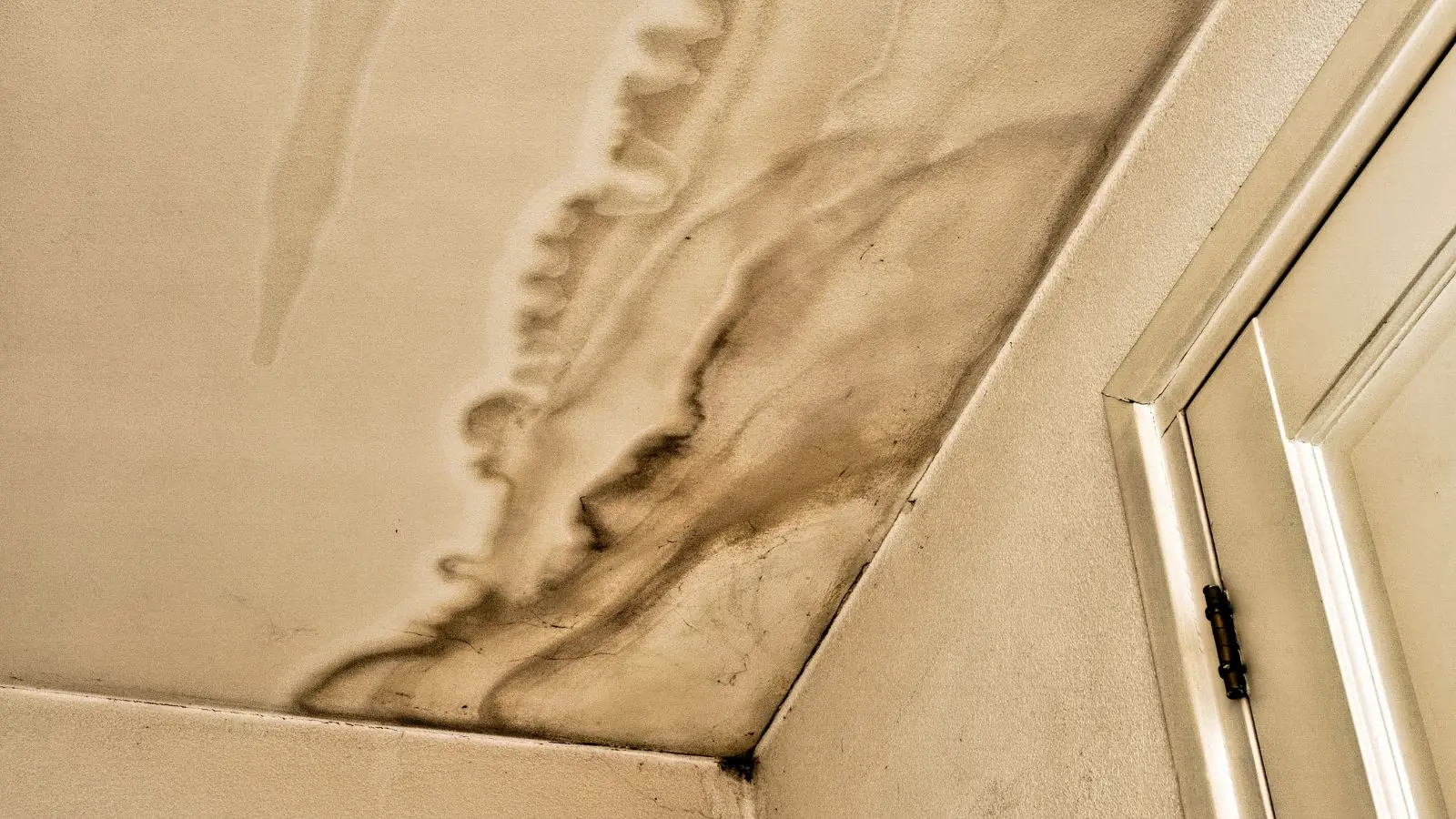
Most homeowners policies are written around one question: was the water damage sudden and accidental, or did it build up over time or arrive from outside the house? A pipe that bursts on Tuesday night usually lands on one side of that line. A slow drip behind a wall that rots the framing for a year usually lands on the other. The details live in your own policy, so use your declarations page as the final word.
What a standard policy usually covers
Policies commonly pay for sudden and accidental discharge from plumbing, heating, or appliances. That covers the supply line that splits, the water heater that fails, or the dishwasher hose that lets go. The policy usually pays to repair the damage that results, such as wet drywall, flooring, and belongings, subject to your deductible.
Some policies also pay for the cost of tearing out part of a wall to reach a leaking pipe, but not always for fixing the pipe itself. That distinction trips up many owners. Ask your insurer how it treats access costs, because the answer changes what your claim looks like.
What is usually excluded
Flood is the big one. The New Jersey Department of Banking and Insurance states that homeowners policies exclude flood damage, and that flood coverage is bought separately, often through the National Flood Insurance Program. Rising creek water, storm surge, and surface water running into a basement all fall under that exclusion in most policies.
Other common exclusions include gradual seepage, long-term leaks, maintenance failures, and mold that follows a loss the policy does not cover. Sewer or drain backup is often excluded unless you added an endorsement. Ask specifically about backup coverage, since a basement drain that overflows is a different event from a pipe that bursts.
| Type of water event | Often covered by a homeowners policy | What to confirm |
|---|---|---|
| Sudden pipe or appliance discharge | Usually yes, after the deductible | Whether access costs are included |
| Rising creek or surge water | Usually no, flood is excluded | Separate flood policy status |
| Sewer or drain backup | Often no without an endorsement | Whether you added backup coverage |
| Slow leak over many months | Often excluded as gradual damage | How your policy defines sudden |
| Mold after a covered loss | Varies and is often limited | Any mold sublimit in the policy |
Why Long Branch owners should check twice
Water reaches Long Branch homes from more than one direction. A burst pipe is an indoor event, but the Shrewsbury River, the ocean, and tidal creeks can also push water in. Because the two sources are treated differently under most policies, owners near the water should know which policy answers which event before a storm arrives.
Reading the declarations page and the exclusions section takes about twenty minutes. Photograph your rooms and valuables at the same time, so you have a record of what the house looked like before any damage. That record helps a claim later.
What the Long Branch flood record means for coverage
The Monmouth County hazard mitigation plan summary reports that about 26% of Long Branch land lies within the special flood hazard area. Hurricane Sandy in 2012 flooded North Long Branch from both the ocean and the Shrewsbury River, and the plan counts roughly 150 flood-prone homes sitting below base flood elevation. The city adopted a two-foot freeboard rule for new and subdivided properties after the storm.
Named trouble spots in the plan include the Elberon trestle area, the Manahassett Creek Park complex near Bay Avenue, and the Broadway to Morris Avenue stretch near City Hall. Owners in or near those areas should ask their insurer, in writing, whether flood coverage is in force. Neighbors in Monmouth Beach and Oceanport face the same split between indoor leaks and outside water.
Steps to take now, before there is a loss
- Find your declarations page and note the deductible, the water damage language, and any sublimits.
- Ask your insurer in writing whether sewer or drain backup is covered.
- Check the FEMA Flood Map Service Center for your address and ask about a separate flood policy.
- Photograph or video every room and keep the files somewhere off the property.
- Save the number to call for claims in your phone.
When a covered leak does happen, stopping the water and drying the structure quickly protects both the house and the claim. A crew doing water extraction and structural drying keeps the damage smaller, and a smaller loss is easier to document and settle.
Questions about insurance and water damage
Does homeowners insurance cover a burst pipe?
Often yes, when the break was sudden and accidental. The policy usually pays for resulting damage after your deductible. Whether it pays to repair the pipe itself or only the damage depends on the wording, so read that section or ask your insurer.
Does homeowners insurance cover flooding from a storm?
Usually not. The New Jersey Department of Banking and Insurance says flood damage is excluded from standard homeowners policies and must be insured separately, commonly through the National Flood Insurance Program.
Is sewer backup covered by a homeowners policy?
Often not unless you added a backup endorsement. Ask your insurer whether your policy includes it, because a drain overflow is treated differently from a burst pipe.
Does Long Branch require flood insurance for homes in the flood zone?
A lender usually requires it when a mortgaged home sits in the special flood hazard area. About 26% of Long Branch land is in that area, so check the flood map for your address and ask your lender.