
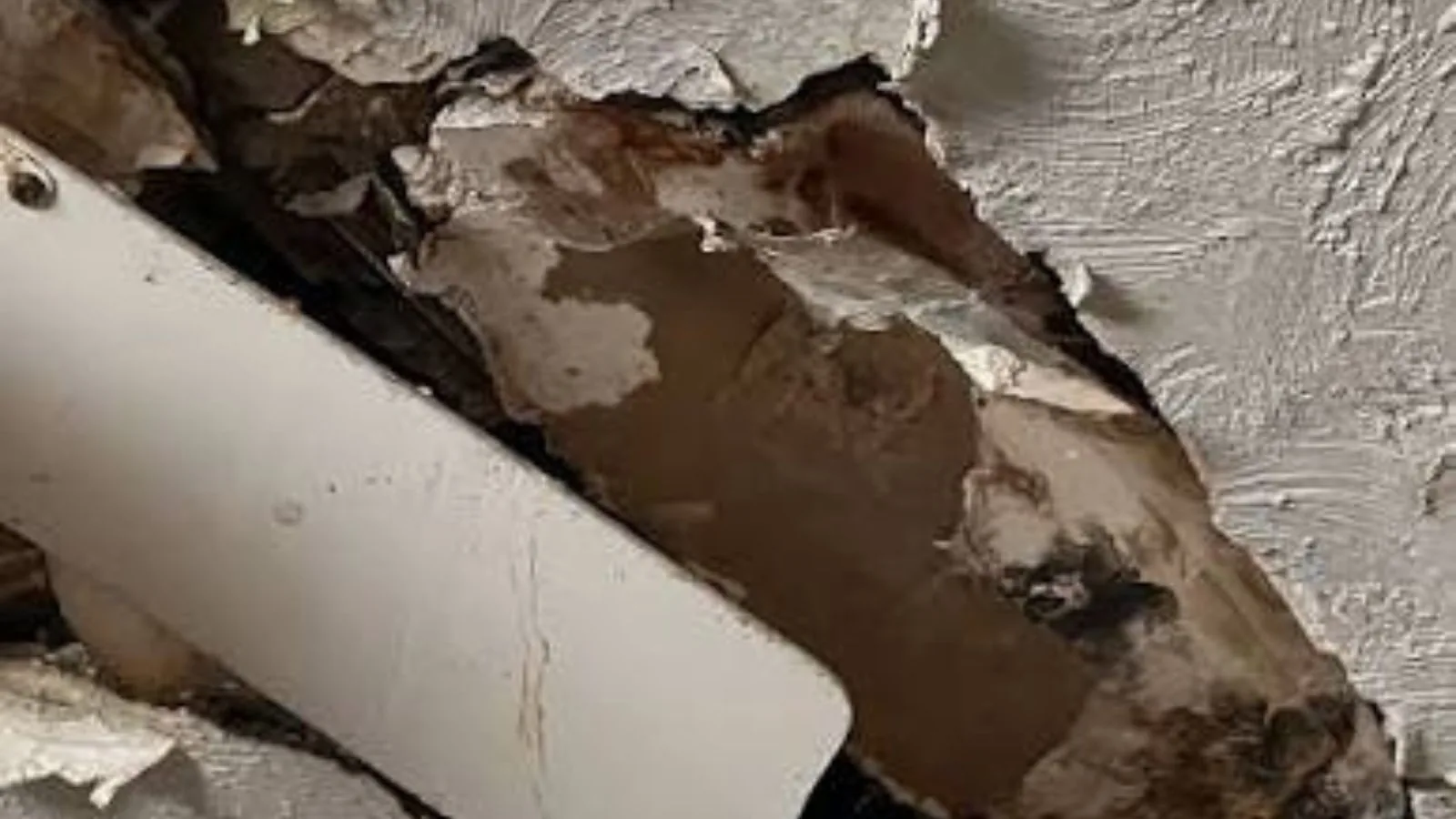
Black mold has a frightening reputation, and homeowners often search for it after spotting dark patches near a shower or window. The truth is more measured. Many molds look black, and only a laboratory can say which species is present. What you can control is how large the growth is and why it is there.
What black mold means and what it does not
The name usually refers to Stachybotrys, a mold that grows on very wet cellulose such as drywall paper. But common bathroom molds such as Cladosporium and Aspergillus can also look dark. Health agencies such as the CDC note that a mold's color does not reveal its health effects, and that identifying the exact species is generally not necessary before cleanup.
Any indoor mold growth is worth removing and any cause worth fixing. The size of the patch and the health of the people in the home decide how urgent it is.
Signs that point to a bigger problem
- Dark growth on the ceiling or on drywall that feels soft.
- A musty odor that returns after cleaning.
- Staining that spreads outward or appears on the other side of a wall.
- Peeling paint or warped trim near the tub or toilet.
- A history of a leak, flood, or sewage backup in the room.
These signs suggest water is getting into the wall or subfloor, where cleaning the surface will not help.
Should you test for it?
Routine air or surface tests often cost money without changing what you do. The goal is to remove the growth and fix the moisture whichever species it is. Testing can make sense for a legal dispute, a real estate transaction, or a case where a doctor suspects a specific exposure. If you want an inspection, look for an independent company that does not also sell the removal.
| Situation | Reasonable next step | Testing needed? |
|---|---|---|
| Small patch on grout | Clean with detergent, dry, improve ventilation | No |
| Spreading stain on ceiling | Find the leak above and dry the area | Usually no |
| Large area or soft drywall | Call a mold remediation team | Not to start |
| Sale, loan, or dispute | Ask the other party what proof they require | Sometimes |
What to do right now
Stop the moisture. Fix leaks, run the fan, and dry any wet materials. Keep the area closed off and avoid dry-brushing or sanding the growth, which spreads spores. If the area is small and on a hard surface, clean it with detergent and water, rinse, and dry it fully. If it is larger or inside a wall, see mold remediation and structural drying.
How bathroom mold gets its start
Mold needs moisture, a food source, and time. Bathrooms supply all three. Steam settles on cool walls and ceilings, soap film and dust provide food, and a closed door slows drying. A room that never fully dries between showers can grow visible spots within a couple of weeks.
Hidden sources make it worse. A weeping shower valve, a failed tub seal, or a supply line leaking inside a wall can keep drywall damp for months. When dark growth keeps returning in the same place, the cause is often behind the surface, and the fix is finding that source and drying it out.
What a professional visit looks like
A crew starts with a visual check and moisture readings to see how far the dampness reaches. If growth is limited to a small area, they may advise cleaning and drying. If it has spread into drywall or framing, they set up containment, remove the damaged material, clean the area, and dry the structure so that repair can follow. A written scope helps you compare options.
What Long Branch residents should know
New Jersey Department of Health guidance states there are no state certification programs for companies that perform mold or general indoor air services, so the usual advice is to check references, ask for a written scope, and confirm contractor registration with the Division of Consumer Affairs. Registered contractors carry numbers beginning with 13VH.
Work that opens walls or replaces fixtures may need a permit from Long Branch Building and Development at City Hall, 344 Broadway. Owners in Oceanport and Monmouth Beach should call their own borough halls. Homeowners policies often limit or exclude mold unless it follows a covered loss, so check yours.
Protect yourself in the meantime
Wear gloves and a snug mask when cleaning small areas, and keep the room ventilated. Children, older adults, and anyone with asthma or a weakened immune system should stay out of the room until it is cleaned. If symptoms continue, speak with a doctor.
Black mold in the bathroom
Is black mold in a bathroom dangerous?
Not always. Color does not identify the species or the health effect, and the CDC says species testing is generally not needed. Any mold growth should be cleaned and its moisture source fixed, especially for people with asthma or allergies.
Do I need a test to confirm black mold?
Usually not. You would remove the growth and fix the moisture either way. Testing may be useful in a sale, a dispute, or when a doctor requests it.
How do I know if the mold is inside the wall?
Soft drywall, a musty smell that returns, and staining that spreads or shows on the other side suggest hidden moisture. A professional can check with a moisture meter.
Does a homeowners policy cover mold in a New Jersey bathroom?
Often only when it follows a covered loss, and sometimes with a limit. Review your policy or ask your insurer.